PHIRA BLOG · 2026-06-19
Why Your Child Quits When the Lego Tower Falls (And the 20-Minute Fix)
By Phira Team
Hook
You know the scene. The Lego tower tips again—or homework stalls on problem four—and your child sighs, drops the pencil, or walks away.
System concept
Networks — when the main path is blocked, scan for a backup route before quitting.
Real-world bridge
Tonight ask: The main road is blocked here. Where is our backup route?
If you have cycled through tutoring subscriptions, quiz games, and bright "learning" screens, you have probably noticed the same fatigue: polished marketing, generic examples, and your child still melts down at the first surprise.
The problem is not effort—it is a single-path reflex
At home, roadblocks show up constantly: a hard word problem, a toy that won't fit, a schedule change before soccer. Many tweens treat each one like a dead end. They were never shown how to scan for a backup route before quitting.
That living-room frustration is real. It is also a habit you can help reshape—without lecturing, without hovering, and without handing them the answer.
The pivot: Networks (Door 2 inside Phira)
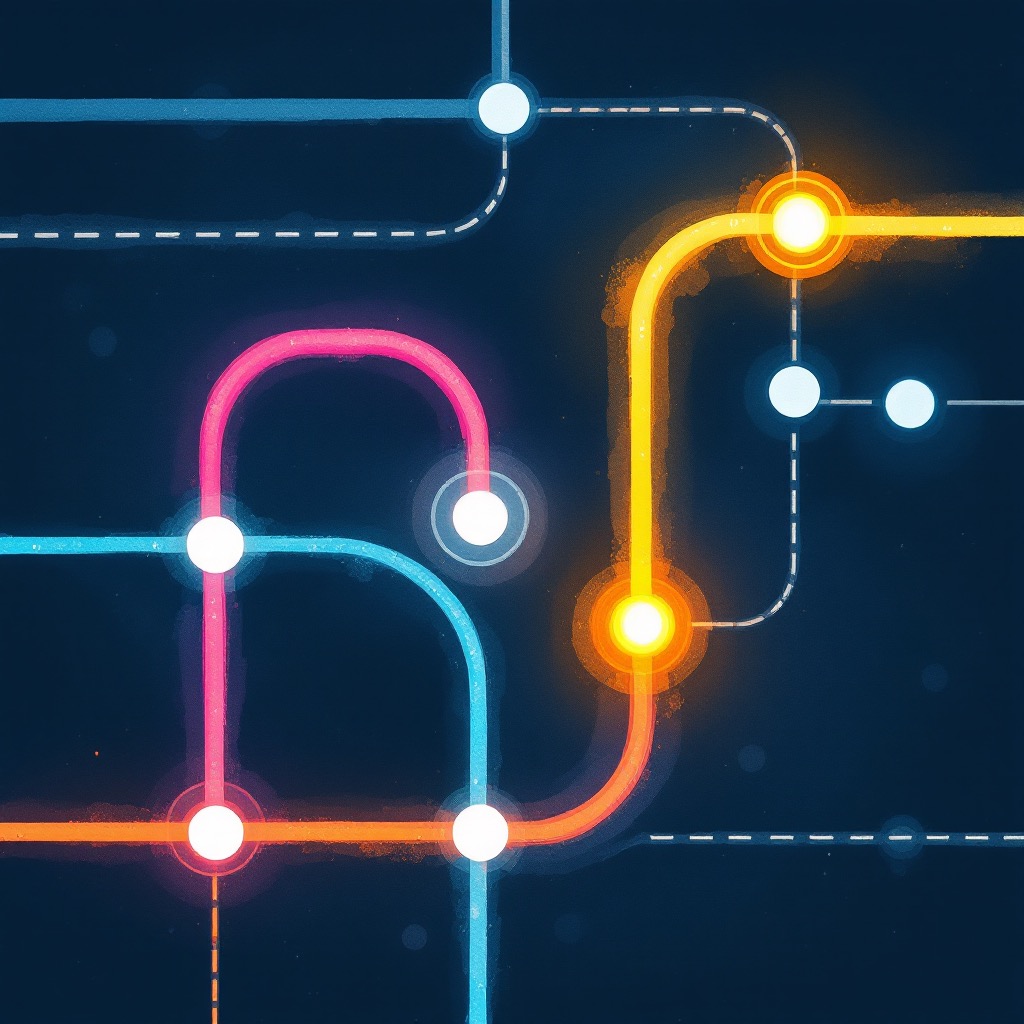
Phira teaches one visual move kids practice on screen, then carry into real life. In Door 2 — Networks, lesson art shows connected paths: a main route and alternate routes when something is blocked.
The kid move is one sentence: "I looked for another path."
On screen, children follow maps and hallways where one line is closed and another way still works—subway routes, school halls, connected walkways. The lesson does not dump facts. It trains a reflex: if the main path is blocked, look for another path.
That is the opposite of stock-photo meal-prep analogies. It is the actual hand-painted art inside the mission—product proof, not marketing fluff.
Tonight: one conversation starter
Next time they get stuck, pause before you solve it for them. Ask:
"The main road is blocked here. Where is our backup route?"
Use homework, a toppled tower, a canceled plan—anything where Plan A failed. You are not grilling them. You are naming the move they can practice.
Watch for one signal at home: do they glance around for options before melting down? That is the habit Networks builds.
A 20-minute try (free, no login)
Phira's first door is free—about 20 minutes for ages 9–13, no account required. Door 2 previews the Networks move with the same lesson art your child sees in the app, not clipart puzzles or lifestyle stock photos.
If your child already quits when the tower falls, one short mission is enough to see whether they start hunting backup routes on their own. Use the sticky Try Door 1 bar anytime.
After a mission, keep parent notes in the Family Growth Hub (footer below). More parent reads and Door links are there too.
Ready to try the move?
Door 1 is free — about 20 minutes, no login. Family Pass unlocks Doors 2–5 when you are ready.